

December, 2023
from the Record, Fall 2023
by Alexandra Evans
The Keepers: Alumni in Public History
Set in what Caroline Emmons, director of the Center for Public History, calls a “laboratory of history,” Hampden-Sydney has always drawn historophiles. Emmons credits this to a number of factors including the position of the College both geographically and temporally in our nation’s history as well as the strength of the Hampden-Sydney History Department.
“Over the past 10 years, Hampden-Sydney College has graduated more history majors as a share of students than any other college or university in the nation. According to The American Historical Association, approximately 1.2 percent of undergraduates nationally majored in history between 2012 and 2022. Hampden-Sydney’s average across those ten years is 13.6 percent,” reports Elliott Associate Professor of History James Frusetta.
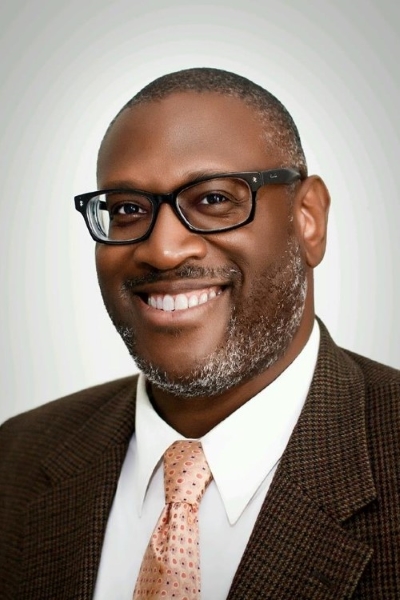
Discover how Jeffrey Harris ’90 is using his history major in his profession dedicated to the preservation, interpretation, and conservation of American history.
Holding a master’s degree in history from Clemson University, Jeffrey Harris ’90 spent six years at the National Trust for Historic Preservation as director of diversity before becoming an independent historian and historic preservation consultant. Harris also served on the Virginia Board of Historic Resources—including as vice chair for a time—from 2019 until January 2023. Harris has expertise in diversity issues in historic preservation and historic interpretations; and audience and board development with historic sites, non-profit organizations, and academic institutions. In an article written for the National Park Service (NPS) titled “Where We Could Be Ourselves”: African American LGBTQ Historic Places and Why They Matter, he recalls a trip to Montpelier—the home of James and Dolley Madison—and a docent who spoke of the praise that the Madisons received for the beauty of their home and grounds:
“I understood that the praise…needed to be directed toward those who actually did the work to make Montpelier beautiful. I began to swell with pride at THEIR work…I realized, for myself, that there was no need to feel shame over slavery, something that many people do feel (along with anger and sadness). Instead, I offered congratulations, silently, to those spirits who did that work, and did it well. If no one in their lives offered genuine thanks for THEIR work, I wanted to do it those many years later, and I did.”
Harris says that the epiphany he had while contemplating the manicured grounds and well-preserved home could only have happened while standing in the place itself. “There’s something powerful about being able to look squarely at one’s past exactly where it happened, see it for what it was, and then learn from it,” he expounds.
Harris finds significance in engaging history through place, saying that it is one thing to read about history in a book but another thing entirely to experience the physical location where something important happened. In the NPS article, Harris goes on to talk about the sense of pride he felt when he moved into the Logan Circle neighborhood of Washington, D.C., and visited the former homes of prominent African American LGBTQ residents:
“I recognized the deep need for the African American LGBTQ community not only to know where our predecessors made their history, but also to identify places that are still available for us to visit, even if that visit constitutes standing outside of a door, or driving by a building where something incredible happened.”
Harris explains that all too often historic places associated with LGBTQ individuals are located in areas slated for revitalization and in danger of being torn down or altered significantly. The places that are most likely to remain are those with previously unknown LGBTQ ties.
Knowing how quickly places of significance can be destroyed and the associated history lost to the public and the communities to whom it was important, Harris often wonders if important contemporary historic figures think about their legacy from a preservation perspective. “I want to know if there’s a place important to those people’s history that should be preserved for future generations to learn from,” he says. “Where would their National Register of Historic Places plaque be hung?”