
Chemistry
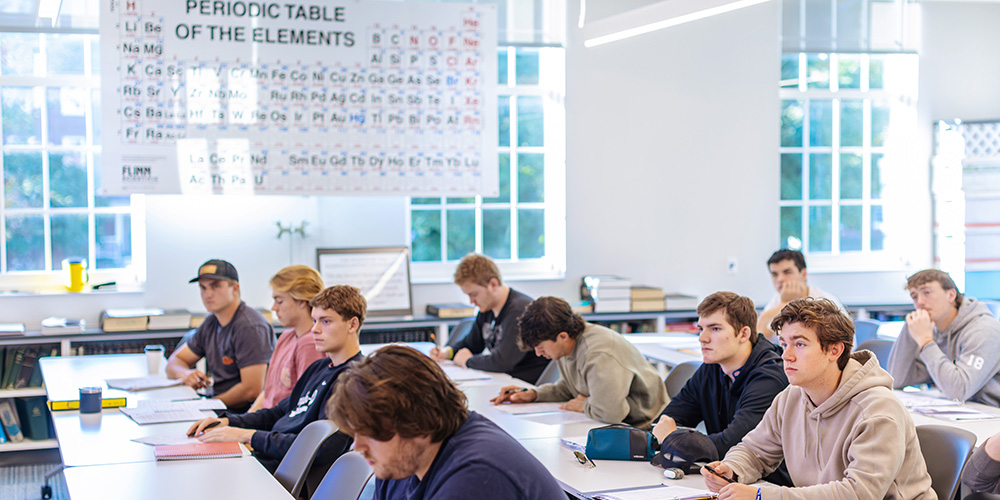
The chemistry program centers on the mastery of broad concepts in the classroom and development of independence in the laboratory. Introductory classes, averaging 25 students per section, and advanced classes, averaging 5-10 students, are taught by five Ph.D. chemists. The chemistry program is accredited by the American Chemical Society and was recognized by the Association of American Colleges in a nation-wide search for innovative departmental curricula.
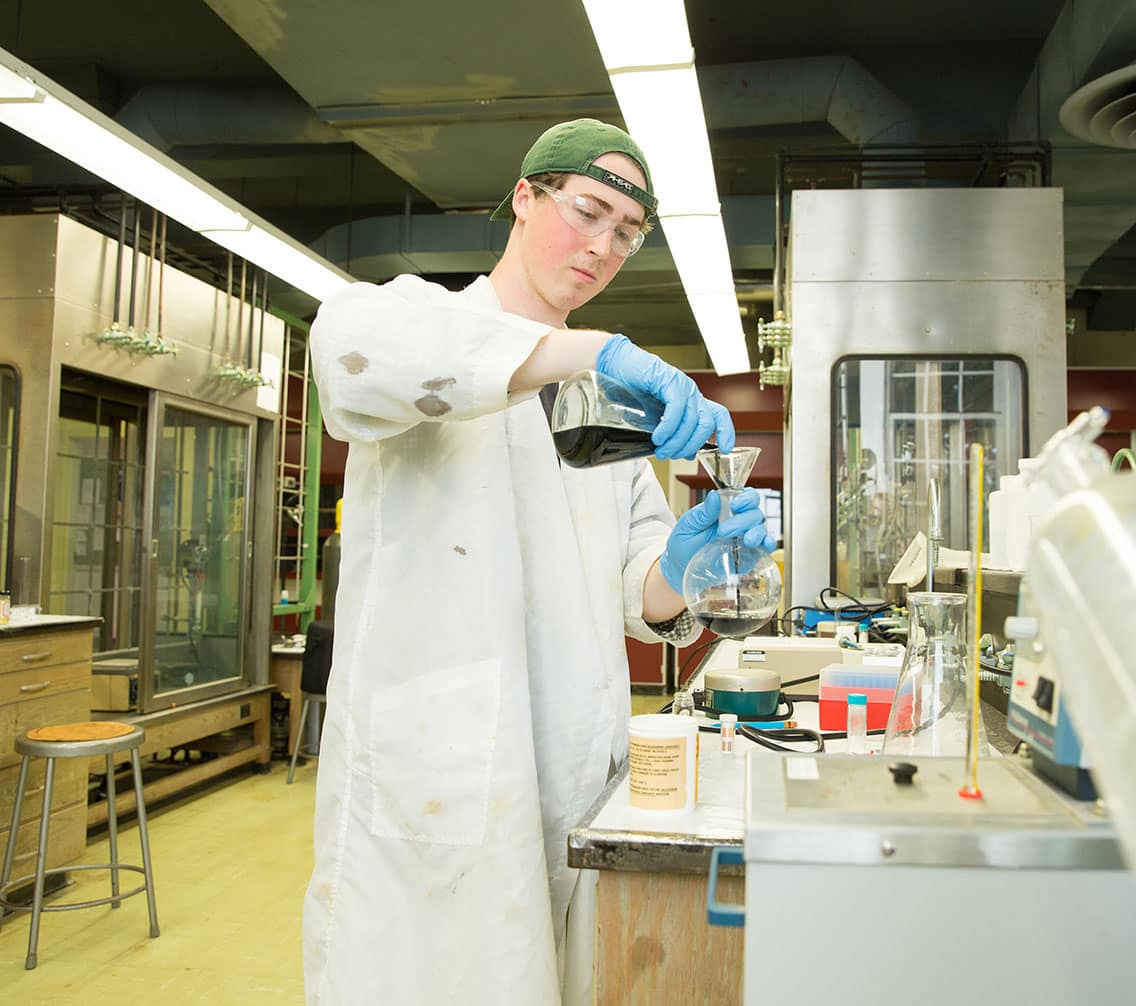
Home to a unique laboratory curriculum that stresses the development of independent research skills, the chemistry department focuses on extended research projects rather than cookbook experiments. Students who graduate from this curriculum will have learned to work independently, keep research notebooks, manage their time, and speak before an audience on technical subjects. Chemistry alumni consistently enter quality graduate and professional programs or enter the workforce in a variety of corporate and industrial positions. The four-year integrated laboratory experience is a unique aspect of our nationally-recognized program. If you major in chemistry, all your lab work will consist of individual, open-ended projects, usually a semester long. You will need, and find available, a lot of help from the faculty on your projects and will rapidly develop skill and self-reliance as you approach chemistry like a professional scientist. You will concentrate on experimental design and interpretation of results, and oral and written reports on your projects will give you proficiency in scientific communication.
Degree Offerings
- Chemistry Major and Minor
- Biochemistry & Molecular Biology (BCMB) Major
Chemistry, in keeping with our motto "Our students do chemistry as it's done by chemists today," has a well-equipped sequence of laboratory courses that make possible a unique, four-year integrated laboratory experience.
The department has research-grade instruments necessary for teaching and research in the main sub-disciplines of chemistry. Students begin their introduction to modern instrumentation early in the curriculum: Students use the Microwave Plasma-Atomic Emission Spectrometer in their first semester of lab and the High Field Nuclear Magnetic Resonance and the Infrared Spectrometers in their second semester. Second year chemistry students use these instruments plus UV-Visible Spectrometers and Gas Chromatography / Mass Spectrometry. Because they have received training in earlier semesters, juniors and seniors routinely use the appropriate instruments for the research projects they are pursuing in Advanced Lab.
Major Instruments
- 400 MHz JEOL FT-NMR with multi-nuclear probe
- Digilab Excalibur FT-IR Spectrometer
- Agilent 8453 Diode-Array UV-Visible Spectrometers (two)
- Perkin-Elmer Lambda7 UV-Visible Spectrometer computer upgrade
- Agilent 4100 Microwave Plasma - Atomic Emission Spectrometer
- Shimadzu GC-2010Plus Gas Chromatograph / Mass Spectrometer
- Agilent 1260 Infinity High Performance Liquid Chromatograph with UV-Vis Detector and Mass Spectrometer
Find out what some of our chemistry department alumni are doing with their degrees.
Chemistry Department
Dr. Kevin M. Dunn, Chair
Elliott Professor of Chemistry
Pauley Science Center, 308
Hampden-Sydney College | Hampden-Sydney, VA 23943
kdunn@hsc.edu
434) 223-6181
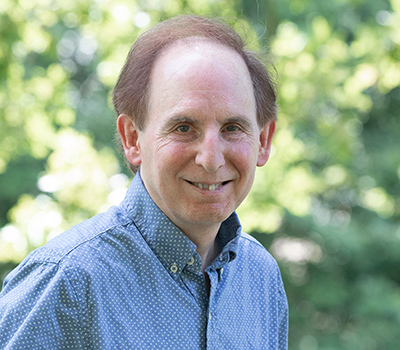
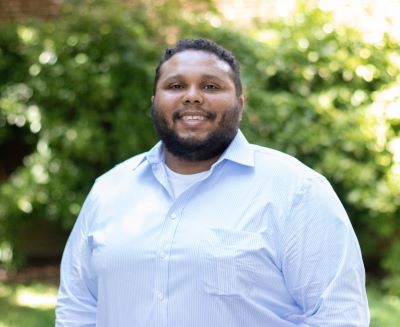
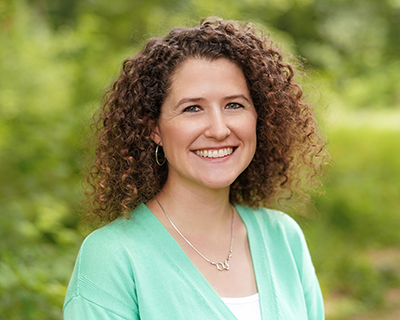
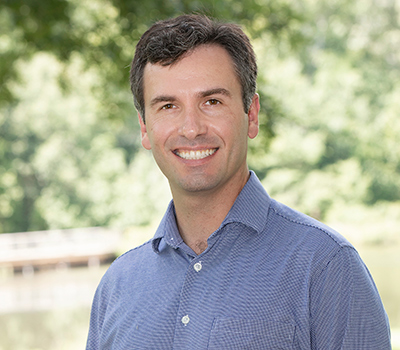
Chemistry Professors
Elliott Associate Professor of Chemistry
Pauley Science Center, 307
(434) 223-6187
treichart@hsc.edu
Journal of the Sciences
Hampden-Sydney's very own science publication, the Journal of the Sciences, showcases undergraduate scientific work taking place on our campus in the Divisions of Natural Sciences and Mathematics.